As a dedicated supplier of pesticide intermediates, I’ve navigated the intricate world of international trade regulations for quite some time. The journey has been filled with learning, adaptation, and a deep understanding of what it takes to comply with the regulatory requirements of importing and exporting these crucial chemical components. This blog aims to shed light on these requirements, providing valuable insights for both seasoned players and newcomers in the industry. Pesticide Intermediates
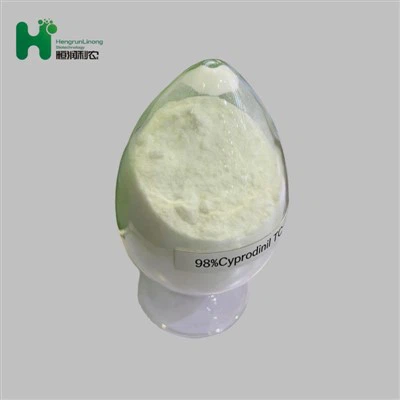
Understanding Pesticide Intermediates
Before diving into the regulatory aspects, it’s essential to understand what pesticide intermediates are. These are chemical substances used in the production of pesticides. They are the building blocks that go through various chemical reactions to form the final active ingredients in pesticides. Pesticide intermediates can range from simple organic compounds to complex chemical formulations, each playing a specific role in the pest – control product’s effectiveness.
Regulatory Bodies
The import and export of pesticide intermediates are governed by multiple regulatory bodies at different levels. At the international level, the United Nations plays a significant role. The United Nations Economic Commission for Europe (UNECE) has developed guidelines for the transport of dangerous goods, which often include pesticide intermediates. These guidelines ensure the safe movement of these chemicals across borders.
On a regional scale, the European Union (EU) has a comprehensive set of regulations known as REACH (Registration, Evaluation, Authorization, and Restriction of Chemicals). REACH aims to protect human health and the environment from the risks posed by chemicals, including pesticide intermediates. It requires companies to register the substances they manufacture or import in quantities above certain thresholds, providing detailed information about their properties, uses, and potential risks.
In the United States, the Environmental Protection Agency (EPA) is the primary regulatory body for pesticide intermediates. The EPA regulates the production, import, and use of pesticides and their intermediates to ensure they do not pose unreasonable risks to human health or the environment. It has strict requirements for pre – market approval, labeling, and record – keeping.
Registration Requirements
One of the most critical regulatory requirements for importing and exporting pesticide intermediates is registration. In many countries, companies must register the pesticide intermediates they wish to trade. This process involves providing detailed information about the chemical composition, physical and chemical properties, manufacturing process, and intended uses of the intermediate.
For example, under the EU’s REACH regulation, companies must submit a registration dossier to the European Chemicals Agency (ECHA). The dossier includes information on the substance’s identification, classification, and labeling, as well as data on its toxicological and environmental properties. This information is used to assess the risks associated with the substance and determine if it can be safely used and traded.
In the United States, the EPA requires companies to obtain a registration for any new pesticide intermediate or a significant change in an existing one. The registration process involves submitting data on the intermediate’s chemical properties, toxicity, environmental fate, and efficacy as a component of a pesticide product. The EPA reviews this information to ensure that the intermediate meets the regulatory standards.
Documentation and Labeling
Proper documentation and labeling are also essential regulatory requirements. When importing or exporting pesticide intermediates, detailed documentation must accompany the shipment. This documentation typically includes a bill of lading, a commercial invoice, a packing list, and a certificate of analysis.
The bill of lading provides information about the shipment’s origin, destination, and content. The commercial invoice details the value of the goods, the terms of sale, and the parties involved in the transaction. The packing list lists the contents of each package, while the certificate of analysis provides information about the chemical composition and quality of the pesticide intermediate.
Labeling is equally important. Pesticide intermediate labels must comply with the regulations of the importing and exporting countries. The label should include information such as the product name, chemical composition, hazard warnings, safety instructions, and first – aid measures. In many cases, the label must also include a UN number, which is used to identify hazardous substances during transport.
Health, Safety, and Environmental Regulations
Pesticide intermediates are often hazardous substances, and therefore, strict health, safety, and environmental regulations apply. In terms of health and safety, companies must ensure that their employees are trained to handle these chemicals safely. This includes providing appropriate personal protective equipment (PPE) such as gloves, goggles, and respirators.
Companies must also implement safety procedures to prevent accidents and spills. For example, they need to have proper storage facilities that are designed to prevent leaks and fires. In the event of a spill, there should be an emergency response plan in place to minimize the impact on human health and the environment.
From an environmental perspective, the import and export of pesticide intermediates must comply with regulations related to waste management, emissions, and water pollution. For instance, companies are required to properly dispose of any waste generated during the manufacturing, handling, or transportation of these chemicals. They must also ensure that their production processes do not release excessive amounts of pollutants into the air or water.
Quality Control and Testing
Quality control and testing are essential to meet regulatory requirements. Pesticide intermediates must meet certain quality standards to be approved for import and export. This involves conducting regular tests on the products to ensure that they meet the specified chemical composition, purity, and other quality parameters.
Companies often use a variety of analytical techniques such as chromatography, spectroscopy, and titration to test the quality of their pesticide intermediates. These tests help to identify any impurities or deviations from the required specifications. In addition, third – party testing laboratories may be used to provide independent verification of the product’s quality.
Trade Restrictions and Sanctions
It’s important to be aware of trade restrictions and sanctions that may apply to the import and export of pesticide intermediates. Some countries may have embargoes or trade restrictions on certain chemicals or from certain countries. For example, due to political or security reasons, a country may restrict the import of pesticide intermediates from a particular nation.
Sanctions can also be imposed by international organizations such as the United Nations or regional bodies like the EU. These sanctions are designed to enforce international law, promote human rights, or prevent the proliferation of weapons. Companies involved in the trade of pesticide intermediates must stay informed about these restrictions and ensure that their trading activities comply with all applicable laws and regulations.
Navigating the Regulatory Landscape
Navigating the complex regulatory landscape of importing and exporting pesticide intermediates can be challenging. However, there are several strategies that can help. First, it’s crucial to stay updated on the latest regulatory changes. This can be achieved by subscribing to industry newsletters, attending regulatory conferences, and following the official announcements of relevant regulatory bodies.
Second, building strong relationships with regulatory agencies can be beneficial. Companies can engage in dialogue with these agencies, seek their guidance on regulatory compliance, and participate in public consultations on regulatory proposals.
Finally, working with experienced customs brokers and freight forwarders can streamline the import – export process. These professionals have in – depth knowledge of the regulatory requirements and can help ensure that all necessary documentation is in order and that the shipments comply with the laws of the importing and exporting countries.
Conclusion

The regulatory requirements for importing and exporting pesticide intermediates are comprehensive and constantly evolving. As a supplier, it is our responsibility to stay informed and comply with these regulations to ensure the safe and legal trade of our products. By understanding the role of regulatory bodies, fulfilling registration requirements, providing proper documentation and labeling, adhering to health, safety, and environmental regulations, conducting quality control and testing, and being aware of trade restrictions, we can navigate the international market successfully.
Plant Growth Regulator If you are in the market for high – quality pesticide intermediates and want a supplier who understands and complies with all regulatory requirements, I encourage you to reach out to start a procurement conversation. We are committed to providing reliable products and excellent service, and I look forward to discussing how we can meet your specific needs.
References
- United Nations Economic Commission for Europe. (n.d.). Guidelines for the Transport of Dangerous Goods.
- European Chemicals Agency. (n.d.). REACH – Registration, Evaluation, Authorization and Restriction of Chemicals.
- United States Environmental Protection Agency. (n.d.). Regulations for Pesticides and Pesticide Intermediates.
Shaanxi Hengrun Linong Biotechnology Co., Ltd.
We’re well-known as one of the leading pesticide intermediates manufacturers and suppliers in China, featured by quality products and low price. Please rest assured to buy discount pesticide intermediates from our factory. Welcome to view our website for more information.
Address:
E-mail: sales@hengrunagro.com
WebSite: https://www.hengrunagro.com/
