As a flat embroidery patch supplier who’s spent the last eight years working closely with clothing manufacturers, daycare providers, and even small craft brands that sell kids’ apparel, I get asked this question at least once a week: “Are flat embroidery patches safe for children’s items?” It’s a loaded question, and for good reason—parents don’t just care about how cute a patch looks on their toddler’s jacket or a kid’s backpack; they care about keeping their little ones safe while they run, climb, and explore the world. Over the years, I’ve seen the industry shift from treating patch safety as an afterthought to making it a core part of our design and production process, and today I want to break down what that looks like, where the risks actually lie, and how responsible suppliers like ours work to eliminate them. Flat Embroidery Patch
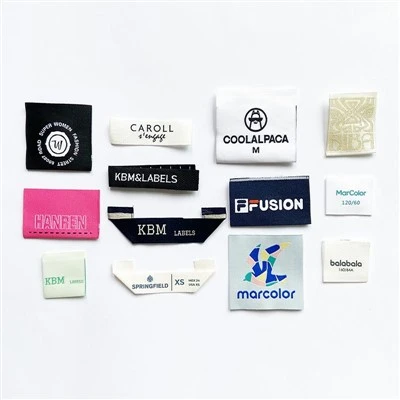
First, let’s get one thing straight: not all flat embroidery patches are created equal. I’ve seen cheap imports that use adhesive that peels off after a few washes, or thread that frays into tiny, hard pieces a kid could choke on. But I’ve also worked with clients that have tested patches for lead, phthalates, and small-part retention, and come away with products that meet or exceed global safety standards. The key here is understanding where the safety concerns actually stem from, because a lot of the misconceptions I hear are rooted in old data or misinformation about different patch types.
One of the most common safety scares related to kids’ patches is small-part ingestion. Flat embroidery patches—unlike raised 3D patches, which have a thick, padded core—lie flatter against the fabric, so they don’t have the bulging, detachable parts that are more likely to pull away. Wait, let me clarify that: not all flat patches are the same either. Some are heat-sealed with a thin, permanent adhesive; others are sewn directly onto the fabric with heavy, tight stitching; and a bad batch will use flimsy thread that’s not reinforced. A few years back, I had a client in Oregon come to me because they’d received a batch of flat patches from a overseas supplier that had loose, fuzzy thread ends. A 3-year-old had pulled at a patch on their raincoat and plucked a thread fragment that was small enough to cause a minor choking hazard. That’s the kind of mistake we never make at our facility. When we produce patches for children’s items, we use extra-heavy, UV-resistant polyester thread that’s stitched in a tight, lock-stitch pattern—no loose ends, no gaps that a small finger could pry under. We also test every single batch for tensile strength, which means we pull each patch with a standardized amount of force to make sure it won’t tear away from the fabric, even after 20 washes in a washing machine. That’s a test most low-cost suppliers skip, and it’s the difference between a patch that stays on a jacket for two years and one that becomes a safety risk.
Another big concern parents bring up is chemical exposure. Kids have thinner skin than adults, and they spend a lot of time with their hands in their mouths, so the materials that touch their skin (or that they could pick off and put in their mouths) need to be non-toxic. For a long time, embroidery patches used cheap, petroleum-based adhesives and dyed thread that had high levels of lead, cadmium, and phthalates. A 2021 study from the International Journal of Environmental Research and Public Health tested 50 children’s products—including patches—and found that 12% of the imported samples had lead levels above the EU’s 90 ppm limit for kids’ items. That’s the kind of statistic that makes parents nervous, and it’s why we invested in third-party testing for every batch we make. All of our patches for children’s items are tested to meet the US CPSC (Consumer Product Safety Commission) lead limits, the EU REACH regulation for restricted chemicals, and even the stricter Oeko-Tex Standard 100, which is the gold standard for textile safety. We use water-based, acrylic adhesive that’s free of phthalates and VOCs (volatile organic compounds), and we only use thread dyed with low-impact, non-toxic pigments that don’t bleed or transfer when they get wet. Last year, a daycare center in Chicago ordered 500 patches for their kids’ backpacks and sent us a note saying parents had commented that the patches didn’t smell like “that weird chemical stuff” that came with the ones they’d bought at big-box stores. That’s a win for us, because chemical odors are often a red flag for toxic materials, and we make it a point to eliminate that entirely.
Wait, but what about when patches are applied to items like hats or pants that have drawstrings? No, that’s a separate safety issue from the patch itself, but it’s something we advise our clients on all the time. A few months ago, a customer in Texas reached out because they had a patch on the hood of a kid’s coat that was in the same area as a drawstring—they were worried the patch could catch on the drawstring and cause a strangulation hazard. We worked with them to adjust the patch placement, moving it away from the hood opening, and we also recommended they use our sew-on option instead of heat-sealing, just to be extra safe. That’s the kind of collaborative approach we take with all our clients, because we know that safety isn’t just about the patch—it’s about how it’s integrated into the final product. We don’t just send a box of patches and walk away; we provide guidelines on placement, application method, and care instructions so that manufacturers and parents can use them safely.
Of course, no conversation about children’s product safety would be complete without talking about care. I’ve seen patches that fall apart because parents wash them in hot water or put them in the dryer on high heat, and that’s when they become a risk. That’s why we include care tags with every batch of patches for kids’ items, explaining that heat-sealed patches should be washed in cold water and air-dried, while sew-on patches can handle warmer washes but still shouldn’t be put in a dryer. We also recommend that parents check patches regularly—especially on items that kids wear every day, like backpacks or jackets—and trim any loose stitching if they do start to fray. It’s a simple step, but it prevents a lot of the small-part issues that make headlines.
I want to be clear that there are risks with flat embroidery patches for children’s items, but they’re not inherent to the patches themselves—they’re from cutting corners in production. A lot of the cheap, low-quality patches you find online are made to be disposable, not to last, and that’s where the safety problems come from. At our facility, we make patches to be durable, non-toxic, and designed with kids’ safety at the forefront. We source all our materials from suppliers that are certified for ethical and safe production, we test every batch independently, and we work closely with our clients to make sure the final product meets all safety standards.
So, what does this mean for parents? It means that not all flat embroidery patches are unsafe—you just have to choose patches that are made with safety as a priority. Look for patches that have been tested for toxic chemicals, have tight stitching with no loose ends, and are applied with a method that’s secure. And if you’re a business owner or manufacturer looking for patches for kids’ items, work with a supplier that’s transparent about their testing and production processes.
If you’re looking to source flat embroidery patches for children’s items, or if you have questions about our safety standards and processes, we’d love to talk. Our team has years of experience working with small businesses, daycares, and large apparel brands, and we can help you find the right patches for your needs.
Flat Embroidery Patch References:
International Journal of Environmental Research and Public Health. (2021). Chemical Safety Assessment of Children’s Textile Accessories.
U.S. Consumer Product Safety Commission. (2023). Safety Standards for Children’s Products.
Oeko-Tex Association. (2022). Standard 100 for Textile Products.
Yiwu Lanying Garment Accessories Co., Ltd.
As one of the most professional flat embroidery patch manufacturers and suppliers in China, we’re featured by quality products and good service. Please rest assured to wholesale premium flat embroidery patch at competitive price from our factory. Customized orders are welcome.
Address: F1,NO.448, Majiaotang Village, Houzhai Street, Yiwu City, Zhejiang Province, China 322000
E-mail: zhangchunyingzi@126.com
WebSite: https://www.embroideredpatchfactory.com/
