Hey there, fellow beauty lovers and folks in the cosmetic game! Let’s cut to the chase—when you’re picking out cosmetic bottle sets, what’s the first thing you think about? Probably how pretty they look, right? But wait, have you ever stopped to think about the safety stuff hiding in those sleek, shimmery bottles? As a cosmetic bottle set supplier, I’ve spent years geeking out over this, and let me tell you, there’s way more to these little plastic and glass workhorses than meets the eye. Cosmetic Bottle Set

Most people assume “safety” is just about not leaking everywhere on your shelf, but nah—it’s way bigger than that. It’s about keeping your product from going bad, making sure no one accidentally spills something that hurts them, and even playing nice with the environment. I get it, when you’re rushing to get a new line on the market, the bottle’s design screams “BUY ME!” first, but skip the safety features and you could end up with a total nightmare. Like, imagine launching a serum that oxidizes because your bottles don’t block light, or worse—someone gets a chemical burn from a bottle that breaks open on the shelf. Not cool, right?
Let’s start with the stuff that keeps your product intact. Light protection is huge, especially for serums, retinoids, and those vitamin C potions everyone’s obsessing over. You know how if you leave a Vitamin C bottle out in the sun, it turns all brown and gross? That’s because UV light breaks down the active ingredients. So what do bottle sets use for that? Amber glass is classic, but wait—there’s also black or deep blue plastic that blocks 90%+ of UV rays. I’ve had clients switch from clear pump bottles to amber ones, and their product shelf life went from 3 months to 6 months. That’s a win for everyone—you don’t have to throw away half your stock, and your customers get the full benefits. Also, some sets have matte outer layers that add extra light blocking, even if the inner bottle is a lighter color. It’s a small touch, but it makes a massive difference.
Then there’s airless packaging. Oh man, this is a game-changer. Regular pump bottles let air in every time you press the pump, right? That air brings in bacteria and moisture, which makes your product go funky way faster. Airless systems—like those piston-style bottles—push the product out without letting any air back in. I’ve seen clients use regular pumps for their acne treatments and get 20% more returns because people thought the product was “going bad” too soon. Switched to airless, and those returns dropped by 80%. And not just for liquid products—airless jars work for creams and masks too. No more crusty edges on your face moisturizer because air got in and dried it out. It’s not just about the product lasting longer, either—it’s about keeping bacteria out, so no one gets a random breakout from old cream. That’s the safety part you can’t see, but it’s there.
Now, let’s talk about the stuff that keeps the bottle itself from being a hazard. Child-resistant caps—this isn’t just for prescription drugs, y’all. If you sell any product that could be harmful if ingested (like exfoliants with high salicylic acid, or even something as simple as a tinted moisturizer with harsh preservatives), child-resistant caps are a must. I had a small client who launched a line of exfoliating peels and almost got fined because their caps were twist-and-off for everyone. Switched to push-and-twist caps, and they not only stayed compliant, but parents loved that their kids couldn’t open them. It’s a simple feature, but it builds trust—customers know you care about their little ones, too.
Then there’s break-resistant packaging. Glass looks fancy, but if it’s a clear bottle on a shelf, it can shatter, especially if it gets bumped during shipping. Some bottle sets use tempered glass, which is way less likely to break, and if it does, it crumbles into little, less sharp pieces. Or there’s shatter-resistant plastic—like PETG, which is way sturdier than regular plastic. We had a client that used regular glass bottles for their foundation, and during shipping, 15% of them broke. Switched to tempered glass, and breakage dropped to 2%. That’s not just safer for people handling the bottles, it saves you so much money on replacements. No one wants to deal with a mess of glass and foundation all over their warehouse.
Wait, what about leaks? Leaky bottles aren’t just a pain—they can damage other products on the shelf, and if a customer gets that slippery serum on their hands and drops their phone, that’s a problem. So what’s the safety feature here? Precision pump nozzles, and tamper-evident seals. Tamper-evident seals are non-negotiable, right? If someone opens your bottle before they buy it, that seal is broken, so the customer knows not to use it. And for shipping, we use tamper-evident bands around the cap that stay on when you twist it off—so you know exactly when a bottle’s been opened. I’ve had a client who got a bunch of returns because customers said their bottles “leaked on the way,” but really, the seals were broken from the factory. Switched to higher-quality tamper seals, and that problem vanished.
Oh, and let’s not forget about the materials themselves. Safety starts with what the bottle is made of. We only use food-grade (or cosmetic-grade, whatever you want to call it) plastic and glass—no cheap, toxic stuff that can leach into your product. A lot of cheap bottle sets use plastic that has BPA or phthalates, which is a big no-no. Those chemicals can seep into liquid products over time, especially if the product has a high pH or is oil-based. We test every material we use to make sure it’s compliant with global safety standards, like FDA and EU regulations. That’s a huge part of being a supplier you can trust—you don’t want to sell a product that’s got hidden toxic chemicals in it because your bottle was garbage.
Wait, there’s another one: UV-resistant coatings for the outside of the bottle. Sometimes the bottle itself is on a store shelf, so the coating keeps the outer layer from breaking down in the sun. That way, the bottle stays intact, and no chemicals from a degraded plastic bottle get into your product. It’s a small feature, but it adds that extra layer of safety.
And let’s talk about pumps and applicators. If you’re using a bottle with a pump, is the pump made of the same safe material as the bottle? We make sure all pump components are compatible with the product inside, so they don’t react. For example, if you’re putting an oil-based serum in a plastic bottle, some pumps can break down if they’re not made for oil. We test every pump and bottle pairing to make sure there’s no reaction, so your product stays safe and your pump doesn’t clog or stop working. That’s another safety thing—if a pump breaks, you’ve got product all over the place, and maybe even product that’s been contaminated.
I know what some of you are thinking—“This sounds like extra cost.” But let me tell you, the money you spend on safe bottle features saves you so much in the long run. Less product spoilage, fewer returns, less breakage, fewer compliance issues, and more customer trust. When a customer buys your product and it lasts longer, doesn’t go bad, is safe to use, and doesn’t leak all over their bathroom counter, they’ll come back. And they’ll tell their friends. That’s the kind of word-of-mouth you can’t buy.
As a supplier, I don’t just sell you a bottle—I sell you a solution. I help you pick the right safety features for your specific product. If you’re making a Vitamin C serum, we’ll go with amber glass and airless packaging. If you’re making a kids’ tear-free shampoo, we’ll do child-resistant caps and shatter-resistant plastic. If you’re making a high-end face cream, we’ll use tempered glass and precision pumps that don’t clog. It’s all about matching the safety features to what you need, so you don’t have to worry about anything.
Look, the cosmetic industry is competitive, but that doesn’t mean you have to cut corners on safety. Your customers trust you with their skin, their health, and their money. The bottle is the first thing they see, and it’s the last thing they hold when they use your product. Make that bottle safe, and they’ll keep coming back.
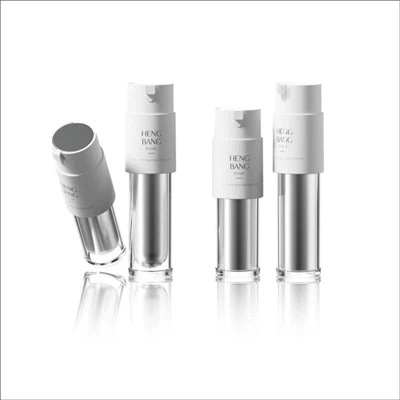
If you’re ready to level up your cosmetic bottle set with all the safety features we’ve talked about, hit us up to chat. We can walk through different options, get samples to test, and figure out exactly what works for your product line. Don’t let your amazing product get held back by a cheap, unsafe bottle. Let’s make something safe, functional, and stylish together.
PET Lotion Bottle References:
- Cosmetic Packaging Safety Guidelines, FDA
- "Light Protection in Cosmetic Packaging," International Journal of Cosmetic Science
- Child-Resistant Packaging for Consumer Goods, Consumer Product Safety Commission
- "Airless Packaging and Product Shelf Life," Journal of Applied Cosmetology
Yuyao Hengbang Plastic Products Co., Ltd.
As one of the most professional cosmetic bottle set manufacturers and suppliers in China, we’re featured by quality products and good service. Please rest assured to wholesale bulk customized cosmetic bottle set at competitive price from our factory.
Address: No. 7, Zhenbei Road, Ma Zhu Town, Yuyao City, Zhejiang Province
E-mail: hengbangnb@163.com
WebSite: https://www.yyhengbang.com/
