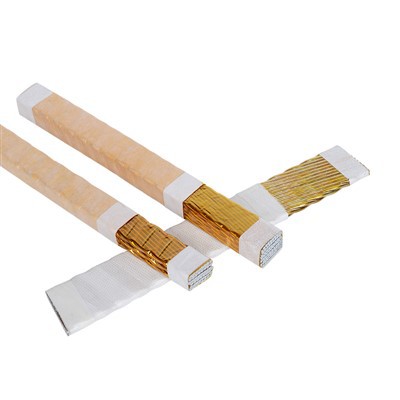
Industrial machinery forms the backbone of modern manufacturing, driving efficiency and productivity across various sectors. As a wrapped wire supplier deeply entrenched in this dynamic industry, I am often confronted with the question: Can wrapped wire be used in industrial machinery? In this blog, I will delve into the technical aspects, advantages, and practical applications to provide a comprehensive answer. Wrapped Wire
Understanding Wrapped Wire
Wrapped wire is a type of wire that has been covered with an additional layer of material. This wrapping can serve multiple purposes, such as insulation, protection, and enhancing the wire’s mechanical properties. The materials used for wrapping vary widely, including polymers, rubber, and even metal foils, each selected based on the specific requirements of the application.
From a technical perspective, wrapped wire offers several key features that make it suitable for industrial use. Firstly, the insulation provided by the wrapping material prevents electrical leaks, which is crucial in machinery that operates on high – voltage circuits. This not only ensures the safety of the equipment but also protects the operators from potential electrical hazards. Secondly, the outer layer can shield the wire from environmental factors such as moisture, chemicals, and abrasion. In industrial settings where machinery is often exposed to harsh conditions, this protection can significantly extend the lifespan of the wire.
Advantages of Using Wrapped Wire in Industrial Machinery
- Enhanced Electrical Performance
- Wrapped wires can have improved capacitance and impedance characteristics. This is particularly important in high – frequency applications, where the electrical properties of the wire can affect the overall performance of the machinery. For example, in communication equipment within the industrial complex, wrapped wires with low signal loss can ensure accurate and reliable data transmission.
- The insulation layer also reduces the risk of electromagnetic interference (EMI) and radio – frequency interference (RFI). In modern industrial machinery, which is often filled with a multitude of electrical components, minimizing interference is essential for the proper functioning of sensitive electronic systems, such as control panels and sensors.
- Mechanical Durability
- Industrial machinery is subject to constant vibrations, movements, and mechanical stresses. The wrapping on the wire acts as a buffer, protecting the inner conductor from damage. For instance, in heavy – duty machinery like mining equipment or large – scale manufacturing robots, the wire can withstand the rigors of continuous operation without breaking or losing its electrical integrity.
- The wrapped layer can also enhance the wire’s flexibility. Some wrapping materials are designed to be soft and bendable, allowing the wire to be routed through complex machinery layouts easily. This flexibility is especially useful in applications where the wire needs to move or be adjusted frequently.
- Chemical Resistance
- Many industrial processes involve the use of chemicals and solvents. Wrapped wires can be engineered with chemical – resistant materials to withstand exposure to these substances. In the chemical manufacturing industry, for example, wires used in the control systems of chemical reactors must be protected from corrosive chemicals. Wrapped wires with appropriate chemical – resistant coatings can ensure the long – term reliability of these systems.
Practical Applications of Wrapped Wire in Industrial Machinery
- Automotive Manufacturing
- In automotive production lines, wrapped wires are extensively used in robotic welding systems. The insulation provided by the wrapping ensures that the electrical signals are transmitted accurately, enabling precise control of the welding process. Additionally, the mechanical durability of the wrapped wire allows it to withstand the high – speed movements and vibrations of the robots.
- Wrapped wires are also used in the electrical wiring harnesses of vehicles. These harnesses connect various electrical components such as the engine control unit, sensors, and lighting systems. The wrapped insulation protects the wires from short circuits and environmental damage, contributing to the overall safety and reliability of the vehicle.
- Food and Beverage Industry
- In food and beverage processing machinery, wrapped wires are used due to their hygienic properties. The smooth and non – porous surface of the wrapping material makes it easy to clean, preventing the accumulation of dirt, bacteria, and food residues. This is crucial in maintaining the high – level hygiene standards required in the food industry.
- The chemical resistance of wrapped wires is also important in this sector. Many food and beverage processing operations involve the use of cleaning agents and disinfectants. Wrapped wires can withstand exposure to these chemicals without degradation, ensuring the long – term performance of the machinery.
- Aerospace and Defense
- In the aerospace and defense industries, the reliability of electrical systems is of utmost importance. Wrapped wires are used in avionics, radar systems, and missile guidance systems. The low signal loss and high – temperature resistance of some wrapped wires make them suitable for these critical applications, where any failure can have catastrophic consequences.
- The lightweight nature of some wrapped wire designs is also beneficial in aerospace applications, as it helps to reduce the overall weight of the aircraft or spacecraft, improving fuel efficiency and performance.
Considerations for Using Wrapped Wire in Industrial Machinery
While wrapped wire offers numerous advantages for industrial machinery, there are also some considerations that need to be taken into account.
- Cost
- Wrapped wire generally costs more than bare wire due to the additional materials and manufacturing processes involved. However, the long – term benefits, such as reduced maintenance costs and increased equipment lifespan, often outweigh the initial investment. When selecting wrapped wire for industrial machinery, it is important to conduct a cost – benefit analysis to determine the most cost – effective solution.
- Compatibility
- The wrapping material must be compatible with the operating environment of the machinery. For example, in high – temperature applications, the wrapping material should have a high melting point and good thermal stability. In addition, the electrical properties of the wrapped wire need to be compatible with the electrical system of the machinery to ensure proper functionality.
- Installation
- Special installation techniques may be required for wrapped wire. For example, when terminating the wire, care must be taken to ensure that the insulation is properly removed without damaging the conductor. In some cases, specialized tools or training may be necessary for the correct installation of wrapped wire in industrial machinery.
Conclusion
In conclusion, wrapped wire can indeed be used in industrial machinery, and in many cases, it is the preferred choice due to its enhanced electrical performance, mechanical durability, and chemical resistance. The diverse range of applications in industries such as automotive manufacturing, food and beverage, and aerospace and defense highlights the versatility of wrapped wire.
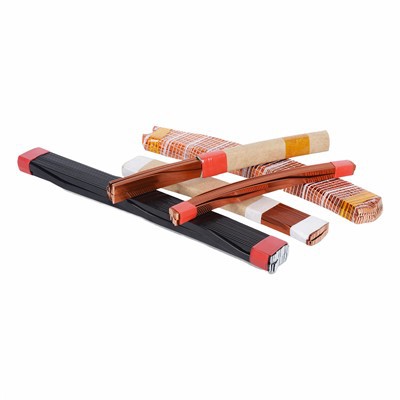
As a wrapped wire supplier, I am well – equipped to provide high – quality wrapped wire solutions tailored to the specific needs of your industrial machinery. Whether you are looking for wires with superior insulation, excellent mechanical properties, or chemical resistance, I can offer a wide range of products to meet your requirements.
Rectangular Insulated Aluminum Stranded Cable If you are interested in learning more about our wrapped wire products or would like to discuss a potential procurement, I encourage you to reach out. I am more than happy to provide detailed product information, samples, and technical support to help you make an informed decision. Let’s work together to ensure the optimal performance and reliability of your industrial machinery.
References
- Grover, F. W. "Inductance Calculations: Working Formulas and Tables". Dover Publications, 1962.
- Marcus, J. P. "Advanced Packaging Dielectric Materials and Processes". McGraw – Hill, 2004.
- Wilson, J. D., & Halliday, D. "Physics for Scientists and Engineers". John Wiley & Sons, 2007.
Tianjin Jingwei Power Technology Co., Ltd.
As one of the most professional wrapped wire manufacturers and suppliers in China, we’re featured by quality products and good service. Please rest assured to buy durable wrapped wire made in China here from our factory. Contact us for more details.
Address: No.1 Chuangxin Rd. Xiaozhan Industrial Park, Jinnan District, Tianjin, China
E-mail: info@jwdc.cn
WebSite: https://www.jw-dcs.com/
