If you’ve spent any time in a woodworking workshop, you’ve probably seen a cabinet saw, a router table, or a band saw—but a wood lathe? It’s not as uncommon as some hobbyists assume, and as a supplier of precision lathes for professional and small-scale workshops alike, I get asked one question more than any other: Can a lathe actually be used for woodworking? The short answer is yes, and far beyond just turning wooden table legs or spindle bowls. For over 15 years, I’ve sold lathes to woodworkers, carpenters, and custom furniture makers, and I’ve watched this tool evolve from a niche hobbyist gadget to a workhorse that cuts production time, expands creative possibilities, and solves problems other tools can’t. Let me break down how it works, what it’s capable of, and why it deserves a spot in every woodworker’s lineup. Lathe
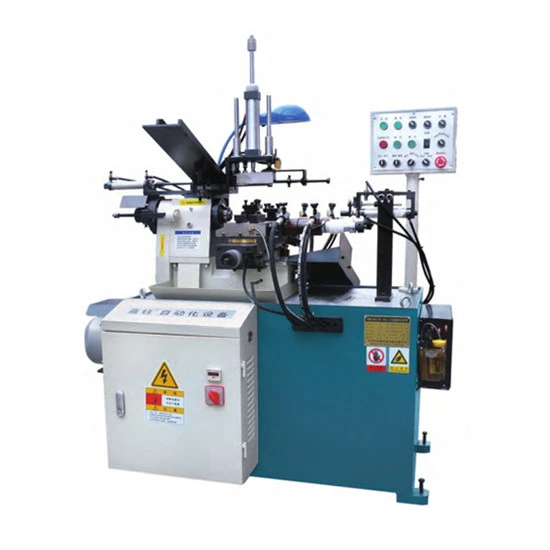
First, let’s demystify the basic mechanics so you can visualize what a lathe does for wood. Unlike a saw that cuts material by moving a blade past a stationary piece, or a router that shapes material while the tool stays fixed, a lathe spins the wood rapidly on its axis while you move cutting tools against its surface. That spinning is key: it turns a stationary, flat piece of wood into a rotating cylinder, cone, or any organic shape you can imagine. If you’ve ever turned a pencil sharpener or twirled a stick in your hands to carve it, that’s the same principle, scaled up for precision and power.
For new woodworkers, the most obvious use case is spindle turning—think all the long, symmetrical parts of furniture: chair legs, bed posts, table spindles, curtain rods, or the handles of mallets and carving tools. Before lathes became accessible, making a set of four matching chair legs would mean cutting four separate rectangular blocks on a band saw, sanding each one by hand until they curved evenly, and praying they all lined up. With a lathe, you can mount a single 8-foot (or longer) blank, spin it at a consistent speed, and carve all four legs (or even eight) from one continuous piece. The spinning motion ensures that every curve is symmetrical, so you don’t end up with legs that look off-balance when you assemble the chair. I’ve seen woodworkers cut production time for small furniture sets by 70% just by switching from hand-shaping to lathe turning, and that’s not a small number when you’re running a small woodworking business on tight deadlines.
Beyond spindles, faceplate turning is where lathes really come into their own for functional and decorative woodworking. Faceplate turning works by mounting a flat or irregular piece of wood to a faceplate—a metal disk that clamps to the lathe’s spindle—so the wood spins sideways, rather than end-to-end. This is how you make bowls, platters, lidded boxes, or decorative wall art. A solid wooden bowl, for example, starts as a 12-inch round blank, mounted to the faceplate, spun at a slow speed, and carved from the outside in until it’s thin, smooth, and perfectly shaped. What’s amazing about this process is that you can use wood that’s not perfectly uniform—wood with knots, cracks, or even subtle grain patterns that would be wasted on a flat panel. When you spin it, those features become a decorative asset: a knot that would make a tabletop uneven becomes a focal point in the center of a bowl, and grain patterns wrap around the curved surface in ways you could never replicate with a router or a scroll saw. I sold a lathe to a custom platter maker in Vermont a few years ago who used to buy pre-turned bowls from overseas; now she turns her own with local maple and walnut, and she tells me the faceplate process lets her salvage 30% more of a log than she could with her old methods.
Another underrated use for a lathe in woodworking is shaping irregular or non-symmetrical parts. Wait—you might be thinking, “You said it spins, so how do you make something that’s not round?” It’s a fair question. While many lathe operations are symmetrical, modern wood lathes (especially the ones we supply to mid-sized workshops) have adjustable tool rests, variable speed controls, and even digital readouts that let you shape non-round parts. For example, if you’re making a custom dining table with tapered, slightly oval legs, you can adjust the tool rest and feed the cutting tool at an angle as the wood spins to create that oval profile. You can also use a lathe to carve decorative details like fluting, coves, and beads—classic woodworking details that appear on everything from antique mantels to modern kitchen cabinets. Before lathes, a woodworker would have to carve these details by hand, using chisels and gouges, which takes hours and requires years of skill. With a lathe, even a beginner can turn a perfect bead in minutes, as long as they have the right tools and a little practice.
Let’s also talk about safety, because that’s a big concern for any woodworker considering adding a lathe to their shop. I hear it all the time: “A spinning piece of wood sounds dangerous!” And it is—if you don’t use it correctly. But every tool has risks, and lathes have built-in safety features that reduce those risks significantly. The key is to choose the right lathe for your needs, and follow basic safety protocols. For starters, you never wear loose clothing, jewelry, or long hair that could get caught in the spinning wood—this is true for any power tool, not just a lathe. You also use the correct cutting tools: sharp chisels, gouges, and parting tools designed specifically for wood lathes, not for metalworking. Sharp tools cut cleanly and require less force, so they’re less likely to slip. Most quality lathes (like the ones we supply) also have variable speed controls, so you can adjust the spin rate based on what you’re doing: slow speeds for large, heavy pieces of wood, high speeds for sanding and finishing. I’ve seen countless beginners get nervous around lathes, but once they take a 2-hour training session and practice on scrap wood, that nervousness fades. Lathes are no more dangerous than a table saw if you use them properly.
Now, you might be wondering if a lathe is worth the investment, especially if you’re a hobbyist with a small workshop, or a small business owner with a tight budget. The answer depends on how much woodworking you do and what kind of projects you want to take on. For a hobbyist who only makes a birdhouse or two a year, a lathe might not be necessary. But if you’re making custom furniture, selling wooden bowls or utensils, building sets for local theaters, or even just enjoying turning small projects like pen blanks or pepper mills, a lathe will pay for itself in a year or two. Let’s do the math: a basic entry-level wood lathe costs a fraction of what you’d pay for a high-end cabinet saw, and it can handle more types of projects. Our mid-range lathes, which are popular with small woodworking businesses, cost about the same as a good band saw, and they can turn spindles, bowls, and small parts in one setup, so you don’t have to invest in multiple specialty tools.
I’ve also noticed a rise in what’s called “green woodworking” or “wet wood turning,” which is a huge trend among woodworkers right now. Green woodworking uses freshly cut, unseasoned wood, rather than wood that’s been dried for months or years. The benefits are big: green wood is easier to cut, produces less dust, and shrinks at a predictable rate as it dries, so you can turn a bowl that will be perfectly shaped once it’s dry. A lathe is perfect for green woodworking because the soft, wet wood cuts cleanly on the spinning lathe, and you can turn a bowl from a fresh log in an hour, rather than waiting months for it to season. I sold a lathe to a woodworker in Oregon who runs a small green woodworking workshop, and he tells me he now takes weekend classes teaching other people how to turn bowls from freshly cut branches, and he couldn’t do that without a lathe.
Of course, like any tool, a lathe has limitations. It’s not the best tool for cutting large, flat panels, so you’ll still need a saw for that. It’s not ideal for joinery like dovetails or mortise and tenons, which are better done with routers, joiners, or hand tools. But what it does do, it does better than any other tool on the market. The lathe is the only tool that can turn a piece of wood into a symmetrical, curved shape quickly and accurately, and that makes it indispensable for anyone who works with wood in a creative or commercial capacity.
Over the years, I’ve had the privilege of working with woodworkers of all skill levels, from hobbyists who turn a bowl once a month to master furniture makers who use lathes for every custom project. One of my favorite customers is a 62-year-old hobbyist in Ohio who started turning pens on a small entry-level lathe 5 years ago, and now sells hundreds of custom pens every year at local craft fairs. He told me last year that he upgraded to a larger lathe we supply, and now he’s adding small wooden birdhouses and candle holders to his lineup. That’s the thing about lathes: they grow with you. If you start small, you can upgrade as your skills and projects get bigger, so you never have to outgrow your tool.
If you’re still on the fence about whether a lathe is right for your woodworking, let’s go back to the original question: Can a lathe be used for woodworking? The answer is not just yes—it’s a resounding yes, and it’s a tool that can transform the way you work, your finished projects, and even your business. It’s not just for making fancy table legs or bowls; it’s a versatile tool that can handle hundreds of different projects, from small pen blanks to large custom mantels, and everything in between.
If you’re ready to explore what a lathe can do for your woodworking, or if you have questions about which lathe is right for your shop, I encourage you to reach out to our team to discuss your needs. We’ve helped thousands of woodworkers choose the right lathe, from entry-level hobbyists to large production shops, and we can guide you through everything from choosing the right size to understanding safety and operation. There’s no better time to add a lathe to your workshop than now, and we’re here to help you every step of the way.
Gantry Machining Center References:
- Hoadley, R. Bruce. Understanding Wood: A Craftsman’s Guide to Wood Technology. Taunton Press, 2000.
- Jackson, Albert. The Complete Woodturner: A Step-by-Step Guide to Woodturning. Voyageur Press, 2018.
- Snodgrass, Mary Ellen. World Encyclopedia of Woodworking Tools and Techniques. ABC-CLIO, 2015.
- American Woodturners Association. "Basic Woodturning Safety Guidelines." AWA Official Resources, 2021.
- Cescinsky, Herbert. The Woodworker’s Guide to the Lathe. Dover Publications, 1969.
Taizhou Qiyang Trading Co., Ltd.
As one of the most professional lathe manufacturers and suppliers in China, we’re featured by quality products and good price. Please rest assured to buy bulk lathe for sale here and get quotation from our factory. Customized orders are welcome.
Address: Zhenhai Village, Binhai Town, Wenling City, Taizhou City, Zhejiang Province
E-mail: qycncmachine@outlook.com
WebSite: https://www.qycncmachine.com/
