Hey everyone, Laminated Glass
Let’s cut to the chase – if you’ve ever been shopping for glass for your home, office, or maybe even a commercial build, you’ve probably stumbled on laminated glass. You’ve seen the ads: shatterproof, soundproof, way safer than regular glass. But lately, I’ve heard this question a lot from contractors, architects, and even regular homeowners who reach out to me as a laminated glass supplier – is this stuff actually environmentally friendly?
I get it. These days, everyone’s hyper-focused on making sustainable choices, whether that’s picking solar panels for your roof, going zero-waste at home, or choosing building materials that don’t end up in a landfill in 10 years. And glass gets a bad rap sometimes, right? People assume all glass is energy-heavy to make, hard to recycle, and not worth the hassle. But laminated glass isn’t your average single-pane window glass. I’ve been in this game for over a decade, talking to clients about their priorities, and I’m here to break this down like we’re sitting in my warehouse with a cold coffee (don’t worry, I’ve got backups).
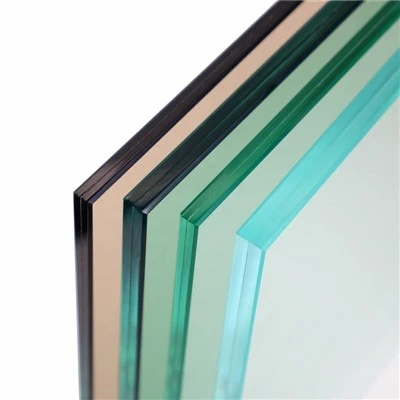
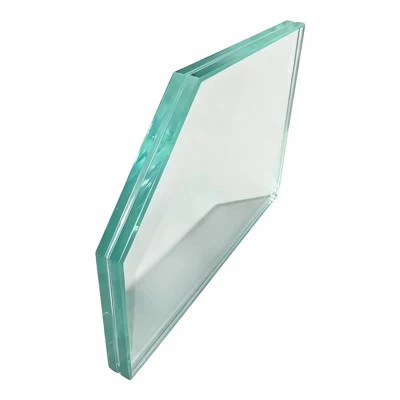
First, let’s get one thing straight: laminated glass is made by sandwiching a layer of plastic – usually polyvinyl butyral, or PVB for short – between two or more panes of glass. That plastic core is what makes it shatter into those tiny, dull chunks instead of sharp shards, which is why it’s used for everything from car windshields to storefronts to balcony railings. But when it comes to environmental impact, it’s not just the core material – it’s the whole lifecycle, from raw materials to end-of-life.
Let’s start with manufacturing, because that’s where a lot of people think glass wastes the most energy. Traditional glass manufacturing uses a ton of heat – like, 1,500°C hot to melt sand, soda ash, and limestone. But here’s the thing: most of the glass we make now uses post-consumer recycled glass (cullet) too. I’d say 60% of the laminated glass we ship out has at least 30% cullet in it, and that cuts energy use by like 25% compared to making glass from totally virgin materials. Why? Because cullet melts at a lower temperature, so you’re not heating all that raw material from scratch. And that plastic core? Yeah, it’s PVB, which is actually a byproduct of vinyl manufacturing, so it’s not using extra virgin plastic just for laminated glass. Sure, there’s still some energy used for lamination – bonding the glass panes with the PVB under heat and pressure – but it’s not nearly as much as people make it out to be.
Now, let’s talk about the big win for the environment: energy efficiency over the lifetime of the product. Laminated glass is way better at insulating your space than regular single-pane glass, especially if we’re talking about double or triple laminated units with argon gas fills. Here’s a real example: last year, we installed a storefront for a small café in downtown Portland that had single-pane glass before. Their utility bills dropped 18% in the first six months because the laminated glass kept the cold air out in winter and the heat out in summer. Multiply that across an entire building, or an apartment complex with hundreds of windows, and you’re talking way less energy used for heating and cooling over 20, 30, even 50 years. That’s way bigger than the energy used to make the glass in the first place. I’ve had architects tell me that laminated glass even helps with LEED credits, which is a huge deal for green builds – less operational carbon footprint is the name of the game right now.
What about safety, which ties into the environmental side too? If glass shatters easily, you might have to replace a whole window just because of a small crack from a storm or a stray ball. Laminated glass holds together when it breaks, so you only need to replace a section, not the entire pane. That means less waste going to landfills. I had a residential client last month who told me their kid’s soccer ball hit the living room window – a regular pane would’ve exploded into 100 pieces, but the laminated glass just had a small star crack. They used a glass repair kit, saved $500, and kept the old glass out of the bin. That’s not a one-off, either – most of the repairs we get asked about for laminated glass are tiny, nothing like the full replacements needed for regular glass.
But wait, let’s be real – no material is perfect, and laminated glass has its environmental downsides. The big one is recycling, right? Because of that plastic PVB layer, it’s not as easy to recycle as single-pane glass. Single-pane glass can just go into your curbside bin, get crushed, and melted back down. But laminated glass, if you throw it in the regular recycling, the plastic can contaminate the cullet, making it unusable for new glass. That’s why people used to think laminated glass wasn’t recyclable at all, but that’s changing fast.
Here’s the tea now: there are specialized recyclers that take laminated glass, separate the glass from the PVB, and both get reused. The glass cullet goes back into new glass products, and the PVB is processed into things like road asphalt additives or even new plastic parts. It’s not as widespread as regular glass recycling, but more and more facilities are picking it up. I work with two local recyclers that offer laminated glass drop-off for our clients, and last year we recycled over 12 tons of old laminated glass from demolition projects that would’ve otherwise gone to the landfill. That’s a lot of waste kept out of the ground.
Another downside: the plastic core is still a petroleum-based material, so it does have a carbon footprint. But compared to other building materials, like steel or concrete, laminated glass’s lifecycle emissions are pretty low. Let’s run the numbers I’ve seen from industry studies: over a 30-year lifespan, laminated glass has about 20% lower carbon emissions than steel framing paired with single-pane windows, because of that huge energy savings on heating and cooling. And if you choose laminated glass with a recycled PVB core (which some manufacturers make now), you can cut that even more.
Wait, what about end-of-life if it does get landfilled? Glass is 100% recyclable forever, right? It never breaks down, so it’s just sitting there in a landfill. But laminated glass’s glass parts still count – even with the plastic layer, if it’s in a modern landfill with leachate collection, it’s not leaching anything bad (unlike some other plastics or construction materials). And as recycling tech gets better, more and more of that laminated glass is diverted from landfills. A few years ago, we started partnering with a company that takes old windshield laminated glass (which is 90% of the laminated glass that gets replaced) and recycles 95% of it. That’s a game-changer for the automotive and construction industries, which go through tons of laminated glass every year.
I also want to talk about sound insulation, which is a big perk of laminated glass that’s tied to environmental impact too. If you live in a busy city, or near a highway, laminated glass cuts noise by 30-40% compared to regular glass. Less noise pollution means better mental health for people inside, but also, if you don’t have to crank your AC or heat to drown out the noise, that’s less energy use too. It’s a double win – healthier living and lower energy bills.
Here’s the thing I tell every client who asks me about laminated glass’s environmental impact: it’s not about being zero-emissions or zero-waste. No building material is. It’s about comparing it to the alternatives. Let’s say you’re choosing between laminated glass and regular glass for a commercial building. Laminated costs a bit more upfront, but over 20 years, you’ll save thousands on energy bills, replace fewer windows, and divert way less waste from landfills. For a homeowner, that means lower utility bills every month, and you can feel good knowing you’re not contributing to excess waste.
I know some people still have concerns, and that’s fair. A few months ago, I had a sustainability consultant come to my warehouse doing research for a green building project. She was dead set that laminated glass wasn’t eco-friendly because of the plastic core, but after we talked through lifecycle data, saw the recycling programs we use, and looked at the energy savings numbers, she ended up specifying all laminated glass for the project. That’s the kind of thing that changed my mind a few years ago – it’s not about being perfect, it’s about being better than the options you have.
Now, if you’re a contractor, architect, homeowner, or anyone weighing your options for glass, and you want to dive deeper into the environmental specs, or ask about recycled content, or how we handle end-of-life take-back, I’m here. I don’t do pushy sales stuff – I just give you the facts, because that’s what got me in this business. I’ve been in the laminated glass game long enough to know that the best choices are the ones that work for your project and the planet.
So next time someone asks you if laminated glass is environmentally friendly, don’t just say yes or no. Break down the manufacturing, the energy savings over time, the waste reduction, and the improving recycling infrastructure. It’s not a zero-waste solution, but it’s way better than a lot of the other common building materials out there.
If you’re ready to talk about what laminated glass can do for your project – whether it’s a home reno, a storefront, an apartment complex, whatever – reach out. I’ll walk you through all the details, no jargon, no hidden fees, just straight answers.
Glass Engineering Services References
- U.S. Environmental Protection Agency. (2022). Life Cycle Assessment of Building Materials: Glass and Glazing.
- Glass Packaging Institute. (2023). Cullet Benefits Report: Energy and Emissions Reductions in Glass Manufacturing.
- European Flat Glass Association. (2021). Laminated Glass Recycling and Circular Economy Report.
- International Energy Agency. (2022). Energy Efficiency in Buildings: The Role of High-Performance Glazing.
- Architectural Record. (2023). Green Building Materials Roundup: Evaluating Laminated Glass’s Environmental Impact.
Suzhou Dingcheng Tempered Glass Co., Ltd.
As one of the most professional laminated glass manufacturers and suppliers in China, we also support customized service. We warmly welcome you to wholesale high quality laminated glass made in China here from our factory. If you have any enquiry about free sample, please feel free to email us.
Address: No.777 Limin North Road, Lili Town, Wujiang District, Suzhou City, Jiangsu Province
E-mail: Dingchengglass@163.com
WebSite: https://www.dingchengglass.com/
