If you’re in the market for weld end caps, whether you’re a plant engineer, pipe fitter, or project manager overseeing a construction, oil and gas, or chemical processing project, one question that’s likely crossed your mind is this: what are these critical components actually made of? As a weld end caps supplier with over a decade in the game, I’ve fielded this question hundreds of times—and the answer isn’t one-size-fits-all. The material of your weld end cap isn’t just a detail; it’s a decision that impacts every part of your system, from pressure resistance and corrosion durability to longevity and cost. Today, I want to break down the most common materials we stock, what each is best suited for, and what factors go into making the right choice for your project. Let’s dive in. Weld End Caps
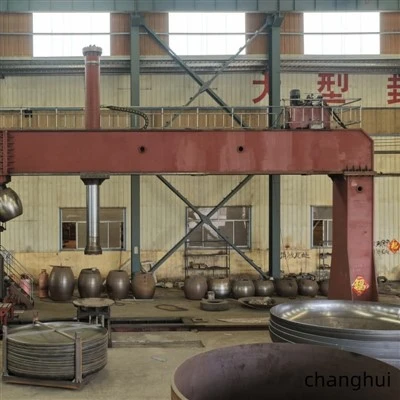
First, it’s important to set a quick baseline: weld end caps are designed to seal off the ends of pipes, tubing, or vessels, creating a tight, leak-proof barrier. They’re attached via butt welding most often, which means they need to match the material of the pipe they’re joining to ensure a strong, uniform weld that won’t fail under stress. Pick the wrong material, and you’re looking at potential weld defects, corrosion, or even a catastrophic system failure down the line. That’s why so many of our clients come to us with specific material requirements—and why we don’t just sell caps, we help them match the right cap to their unique application.
Let’s start with the most widely used material for weld end caps: carbon steel. It’s the workhorse of the piping industry, and for good reason. Carbon steel is an alloy of iron and carbon, with small amounts of other elements that can vary to adjust its strength and hardness. What makes carbon steel the go-to for most general-purpose applications is its balance of affordability, high tensile strength, and ability to withstand both high pressure and high temperatures—perfect for tasks like sealing water lines, industrial piping, structural supports, and even some low-stakes chemical transport. At our facility, we stock carbon steel weld end caps in a range of grades, including A235 and A105, two standards set by the American Society of Mechanical Engineers (ASME) and the American Society for Testing and Materials (ASTM) that ensure consistent quality. One key thing to note about carbon steel, though: it’s prone to corrosion when exposed to moisture or harsh chemicals. That’s why we offer options for hot-dip galvanized carbon steel caps, which have a zinc coating to add a layer of rust resistance, or black carbon steel for applications where corrosion isn’t a major concern. For our clients working on budget-friendly, low-stakes projects, carbon steel is usually the first call—and we can supply them in standard sizes to fit nearly any common pipe dimension.
Next up, stainless steel. If you’ve got a project where corrosion is a top priority, stainless steel is your answer. Made with a minimum of 10.5% chromium, stainless steel forms a passive oxide layer on its surface that repairs itself when scratched or exposed, making it incredibly resistant to rust, acids, and other corrosive substances. That’s why it’s the material of choice for food and beverage processing, pharmaceutical manufacturing, marine applications, and chemical plants where pipes carry caustic fluids or saltwater. We carry a range of stainless steel grades for weld end caps, with 304 and 316 being the most common. Grade 304 is the general-purpose stainless steel, great for mild acids, food products, and atmospheric exposure. Grade 316, on the other hand, has molybdenum added to its alloy, which boosts its corrosion resistance, especially against chloride-based compounds—perfect for marine environments or projects dealing with salt solutions. A common mistake we see new project managers make is ordering 304 stainless steel for a saltwater application only to end up with pitting corrosion within a year. As a supplier, we always ask our clients about their specific operating environment to point them to the right grade, and stainless steel is no exception. It’s more expensive than carbon steel, but the longevity it offers in harsh environments often makes it the more cost-effective choice over time.
Moving on to alloy steel, a material for the most demanding applications where standard steel just won’t cut it. Alloy steel is made by adding elements like chromium, nickel, manganese, or molybdenum to iron and carbon, which enhances properties like strength, hardness, and resistance to high temperatures and pressure. If you’re working in an oil refinery, power plant, or high-temperature chemical processing facility, weld end caps made from alloy steel are non-negotiable. For example, A234 WP5 alloy steel caps are designed for service at temperatures up to 1200°F, making them ideal for piping systems that carry superheated steam or high-temperature gases. Another popular alloy steel grade is A350 LF2, which has excellent low-temperature toughness, perfect for projects in cold climates where materials could become brittle. The downside of alloy steel is that it’s more complex to manufacture and work with, and it comes at a higher price point than carbon or even most stainless steel. But when your system is operating under extreme conditions, cutting corners on material quality isn’t an option. We work closely with engineering teams to source the exact alloy steel grade they need, ensuring that the end cap can handle the specific pressures and temperatures their project requires.
Now, let’s talk about two materials that might not be as common for general piping, but are critical for niche applications: brass and copper. Brass, an alloy of copper and zinc, is most often used for smaller diameter pipes, like those in plumbing, gas lines, or decorative piping for architectural projects. It’s easy to machine, has good corrosion resistance to water, and forms a tight, strong weld when matched with brass pipe. Copper, on the other hand, is valued for its excellent heat transfer properties and corrosion resistance, making it the material of choice for HVAC systems, refrigeration lines, and some chemical processing applications where high heat transfer is needed. One thing to note about copper weld end caps: they’re softer than steel, so they’re best suited for lower pressure applications, not for heavy industrial or high-pressure systems. We don’t carry a huge range of brass and copper caps, but for the projects that do need them, we make sure to have the right sizes and grades on hand to fit small-diameter piping for plumbing and specialty applications.
I’d be remiss if I didn’t mention specialty materials for even more unique use cases. For example, in the aerospace industry, weld end caps might be made from titanium, which is incredibly strong for its weight and has excellent corrosion resistance, making it ideal for aircraft components. In nuclear power plants, stainless steel alloys with additional radiation resistance are used to handle the unique operating conditions of nuclear systems. We also work with clients in the semiconductor industry, where weld end caps need to be made from ultra-pure materials to avoid contaminating sensitive processes—something that requires careful sourcing and testing to ensure the material meets strict purity standards. These specialty materials come with a higher price tag and longer lead times, but they’re essential for industries where even a tiny impurity or a weight miscalculation can have major consequences.
So, what factors should you consider when choosing a material for your weld end caps? Let me break down the key ones, as we go through this with every single client: First, the operating conditions: temperature, pressure, and the type of fluid or gas the pipe will carry. A cap carrying cold water at low pressure can be carbon steel, but a cap carrying superheated steam at 1000°F needs alloy steel. Second, corrosion risk: will the pipe be exposed to saltwater, acids, or just regular atmospheric moisture? That will point you to stainless steel or a coated carbon steel. Third, budget: while stainless steel will last longer in harsh environments, it’s cheaper upfront to use carbon steel for a low-risk project, as long as you’re prepared for more frequent replacement. Fourth, pipe material compatibility: the weld end cap has to match the pipe material to ensure a sound, leak-proof weld. You can’t weld a carbon steel cap to a stainless steel pipe without compatibility issues, so that’s a non-negotiable rule we always emphasize.
As a weld end caps supplier, I’ve seen first-hand how a small choice like material can make or break a project. Last year, we worked with a small manufacturing plant that had installed carbon steel weld end caps in their chemical processing lines. Within six months, the caps had corroded and started leaking, shutting down their entire operation. They’d gone with the cheapest option without considering the acidic chemicals in their lines, and the result was costly repairs and downtime. We were able to replace the failed caps with grade 316 stainless steel ones, and they haven’t had an issue since. That’s the kind of problem we strive to help our clients avoid—by not just selling them a cap, but giving them the information to make the right choice for their specific needs.
We also know that lead times matter in most projects. That’s why we stock all the common materials we’ve talked about—carbon steel, 304 and 316 stainless steel, and standard alloy steel grades—in inventory, ready to ship. We work with a network of trusted manufacturers to source specialty materials when needed, so even if you have a unique application, we can track down the right weld end cap without waiting months for delivery.
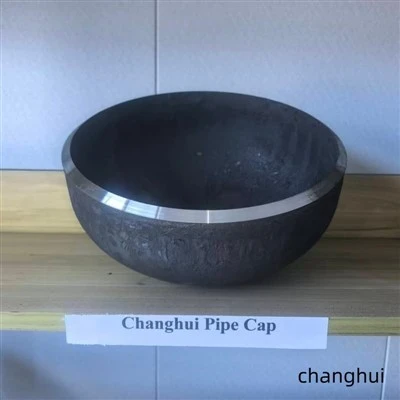
If you’re currently working on a project and aren’t sure what material your weld end caps should be made of, or if you need a quote for standard or custom sizes, our team is here to help. We’ve worked with projects of all sizes, from small residential plumbing jobs to large-scale industrial facilities, and we can walk you through every step of selecting the right material for your needs. Don’t let a bad material choice lead to costly downtime or repairs—reach out to our team to discuss your requirements, and we’ll provide you with reliable, high-quality weld end caps that are built to last.
Tank Heads References
ASTM International. (2022). Standard Specification for Carbon Steel Forgings for Piping Components. ASTM A105/A105-22.
ASTM International. (2021). Standard Specification for Seamless Wrought Stainless Steel Pipe. ASTM A312/A312-21.
American Society of Mechanical Engineers. (2023). Boiler and Pressure Vessel Code, Section II: Material Specifications. ASME BPVC-II-2023.
National Association of Corrosion Engineers. (2020). Corrosion Costs and Preventive Strategies in the United States. NACE International Publication 34110.
Fabricators & Manufacturers Association International. (2021). Welding Compatibility of Metals Guide. FMA Technical Report TR-2021-003.
Cangzhou Changhui Head Manufacturing Co., Ltd.
We are one of the most professional weld end caps manufacturers and suppliers in China, featured by quality products and good price. Please rest assured to wholesale durable weld end caps for sale here from our factory. Welcome to view our website for more information.
Address: South Industrial Zone, Yanshan County, Cangzhou City, Hebei Province, China.
E-mail: chunle.zhang@changhuitankhead.com
WebSite: https://www.changhuitankhead.com/
