Hey everyone, let’s cut to the chase—if you’ve ever ordered custom fabric rolls, got a shirt printed with your team logo, or picked out a plastic toy that didn’t look like it came straight out of a 90s B-movie, you’ve interacted with dyes and pigments. I’m the owner of a small, hard-hitting dyes and pigments supply company, and over the past 8 years I’ve fielded way too many side-eye questions from fabric manufacturers, toy factories, and even random folks at BBQs who’ll go “wait… are those even safe for people?” Dyes And Pigments
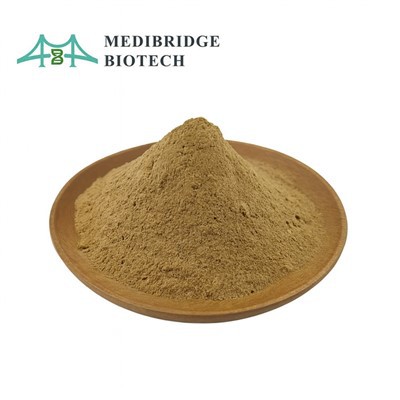
That’s the question I wanna unpack today—no stuffy textbook jargon, no overblown fear-mongering, just the real deal on how these colorful workhorses we supply every single day actually affect the human body. For full transparency? We don’t sell sketchy knockoff dyes from random factories overseas, and we only work with materials that pass global safety tests. But even with that, I get why this stuff feels murky. There’s a million headlines about “toxic pigments” and “carcinogenic fabric dyes” floating around, so let’s break it down by the two main categories first: dyes vs. pigments, because that’s the first mix-up most people get wrong.
Dyes are the ones that bond chemically to whatever they’re coloring—think cotton t-shirts, denim, yarn. They soak into the fibers, so if you touch a dyed t-shirt, the color doesn’t rub off (well, not usually). Pigments? Those are the powders suspended in a liquid base, like the paint on your kid’s coloring book, the ink in a ballpoint pen, or the color in plastic toys. They sit on top of the surface, not sink in, so they can rub off a little if they’re not cured right. That tiny difference makes a huge impact on how they interact with the human body, let’s be real.
Now, let’s talk about the bad stuff first, because that’s what everyone cares about. Not all dyes and pigments are villain material, but there are definitely sketchy ones out there that’ve been kicked to the curb for a reason. Let’s start with acute effects—like, the kind that hit you right now, not 20 years from now.
Have you ever had a brand new shirt give you a weird itchy rash, like, right after you wore it? Chances are that’s direct contact with a bad dye or leftover chemicals from the dyeing process. Some cheap reactive dyes (we’ll never touch these) have free formaldehyde, which is used to make the dye bond tight, but it can irritate your skin, eyes, even your lungs if you’re working with it all day (like our factory clients, who load and mix these stuffs non-stop). Formaldehyde is a known irritant, and high exposure can cause things like red, scaly patches on your arms, or even headaches if you’re in a poorly ventilated dye shop. Oh, and some old pigments—like the lead-based ones that were used in house paint 50 years ago—are still a huge issue, especially if they flake off into dust. If a kid picks up a painted toy with lead paint and chews on it? Lead poisoning is no joke, it messes with brain development, especially in little ones. We haven’t carried lead-based pigments for, like, 10 years, but I still run into factories trying to source ’em cheap on the dark web—total red flag.
Then there’s the long-term stuff, the kind that builds up over time. The big scary word here is carcinogenicity—some dyes and pigments have been linked to cancer after decades of exposure. For example, benzidine-based dyes (again, we don’t touch these) were a go-to for black fabric back in the day, but prolonged inhalation of their dust by factory workers was tied to bladder cancer. That’s why the EU and US EPA banned most of these back in the 90s, and any of our products that go into Europe are explicitly tested to make sure they don’t have a single trace of benzidine or similar compounds. Another one: certain azo dyes. Wait, most azo dyes are totally safe, but a tiny subset can break down into aromatic amines when they degrade, and those amines are potential carcinogens. The EU banned over 20 of these azo dyes for use in textiles that come into direct skin contact, and we only stock azo dyes that pass that test—no exceptions.
But hold up—let’s not flip the whole table here. Most modern dyes and pigments are actually pretty safe, when they’re manufactured and used right. The thing a lot of people miss is that the “toxicity” label isn’t just on the dye itself—it’s tied to how it’s made, how it’s applied, and how it’s disposed of after it’s done being used. Let’s use our own products as an example: we supply a lot of disperse dyes for polyester fabric, which are the most common for athletic wear, right? If you buy a $10 athletic shirt from a big box store, there’s a 90% chance it uses our disperse dyes. When applied correctly, they bond tight to the polyester, so they don’t rub off, and studies from the American Chemical Society say that normal skin contact with these dyes has basically zero negative effects. Even if you sweat through the shirt all day, the amount of dye that transfers to your skin is way below the safety threshold set by regulators.
Pigments are usually even safer than dyes for human contact, actually, because they’re larger molecules that can’t absorb through your skin easily. The titanium dioxide in sunscreen? That’s a pigment, and it’s been tested for decades—topical use is totally safe, even if you’re putting it on your face every single day. The same goes for the pigments in ceramic mugs or plastic kitchenware—if they’re cured properly, they won’t leach into your coffee or food, so eating off a mug with pigmented design is no big deal. Even the pigments in art supplies? The ACMI (that’s the art and creative materials institute) has a seal that means a product is safe for kids, and all the pigments we supply to art supply manufacturers carry that seal. That said, if you inhale pigment powder? That’s a problem. Fine pigment dust (like from carbon black or cobalt blue) can get lodged in your lungs over time, leading to respiratory issues like asthma or chronic bronchitis. That’s why we always warn our factory clients to wear N95 masks and use ventilation when mixing pigment powders—this isn’t the dye’s fault, it’s just about proper workplace safety, same as any job with fine dust.
Wait, let’s talk about a gray area that a lot of people argue about: textiles and pH balance. Some cheap dyes are really acidic or really alkaline straight out of the dye bath, and if they’re not neutralized properly before the shirt gets boxed up, that dye residue can mess with your skin’s natural pH, which can lead to irritation or acne for people with sensitive skin. That’s why we offer a pre-neutralization treatment as an add-on for our fabric dye clients—small extra step, but it cuts skin reactions by like 90% for their customers. It’s that little choice (skipping the treatment to save a buck) that causes most of the “toxic dye” horror stories, not the dye itself.
Now, what about all the new stuff popping up? The eco-friendly dyes, the natural pigments from plants or algae? I know a lot of people swear by these, and they’re great for sustainability—we carry a line of plant-based indigo and turmeric pigments for small batch clothing brands, for example. But here’s the thing: natural doesn’t automatically mean safe. Indigo, when used in high concentrations and not treated right, can irritate sensitive skin the same way some synthetic dyes do. Turmeric pigment in a soap? If it’s not properly purified, it might stain and cause mild rashes for folks with allergies, same as any other pigment. And a lot of natural pigments break down faster when exposed to sunlight, which means they might rub off more than synthetic ones—so you’d want to make sure that transfer isn’t ending up on your skin, especially for kids.
At the end of the day, the biggest takeaway here isn’t “all dyes and pigments are bad” or “they’re all safe”—it’s that context is everything. It’s the difference between a cheap, untested dye from a factory that cuts corners, and a regulated, tested product from a supplier who cares about both safety and quality.
As a supplier, we don’t just dump boxes of dyes and pigments on our clients and ghost ’em. We test every batch we get, we send safety data sheets for every single product, and we have a team that walks our clients through exactly how to use them safely—whether that’s wearing gloves when mixing certain pigments, or making sure textiles are rinsed properly to remove excess dye. We also work with small businesses and big factories alike, because we believe quality and safety shouldn’t just be for the big brands that can afford it.

If you’re a fabric manufacturer, a toy designer, an art supply maker, or anyone who needs dyes and pigments for your product, and you wanna skip the cheap knockoffs and get products that are safe for your workers, your customers, and your brand, hit us up to chat. No pressure, no hard sell—just answers to whatever questions you have about safety, testing, or what works best for your project.
Bioregulatoren References:
- U.S. Environmental Protection Agency. (2022). Toxicological Review of Formaldehyde.
- European Chemicals Agency. (2021). Restriction of Hazardous Substances (RoHS) Directive.
- American Chemical Society. (2019). Skin Penetration of Textile Dyes: A Systematic Review.
- Art & Creative Materials Institute. (2023). Safety Standards for Art Materials.
- World Health Organization. (2020). Lead Poisoning in Children: A Major Public Health Concern.
- International Agency for Research on Cancer. (2018). Monographs on the Evaluation of Carcinogenic Risks to Humans: Aromatic Amines from Azo Dye Degradation.
Shaanxi Medibridge Biotech Co., Ltd.
Address:
E-mail: hi@medibridgeapi.com
WebSite: https://www.medibridgeapi.com/
