Hey there, if you’re here reading this, odds are you’re either a chef, a home cook, or another vendor looking to stock up on top-shelf dried morels — and if you’ve ever dealt with these bad boys, you know they’re not your average pantry staple. I’ve been in the dried morel game for 7 years, running this supplier side hustle that started in my grandma’s backyard, and one question I get every single week is: “What the hell storage containers work best for these little flavor bombs?” Let’s cut the corporate fluff and talk real, science-backed (plus years of trial and error) container picks that actually keep morels tasting like you just foraged ’em, not like they’ve been sitting in a dusty garage for 6 months. Dried Morel Mushroom
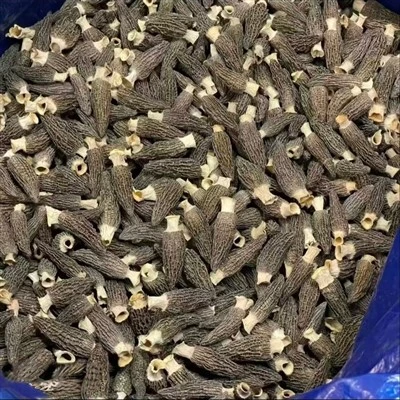
First off, let’s get one thing straight: dried morels are not the same as dried pasta or cereal. They’re porous, they absorb moisture like a sponge, and if they take in even a tiny bit of humidity, they turn into that sad, mushy, mold-prone mess no one wants to cook with. I’ve lost thousands of dollars’ worth of inventory to bad storage at this point — once I left a batch in a flimsy paper bag in my garage, came back a week later, and they smelled like old wet dirt. Never again. So when I test containers, I’m not just looking at “does it close?” I’m checking moisture retention, light blockage, air flow (wait, air flow is actually key here, not zero air flow), and how easy it is to grab a handful without spilling all over your kitchen. No one has time for a morel avalanche at 5 a.m. when prepping a fancy dinner.
Let’s start with the top pick, no contest: Airtight Glass Jars with Silicone Gaskets. I know, I know — everyone and their mom swears by mason jars, and yeah, they’re great, but not all mason jars are created equal. The ones with those rubber silicone gaskets around the lid are non-negotiable for morels. Here’s why: Glass is non-porous, so it won’t leach any weird chemical flavors (unlike plastic, which I’ll get to in a sec) and you can see exactly what’s in there without opening the jar — super useful when you’re restocking a commercial kitchen. The silicone gasket? It seals out 100% of external moisture. I keep our bulk inventory in 1-gallon glass jars with those gaskets, and I’ve had batches stay fresh for 18 months with zero mold or flavor loss. The only tiny downside is they’re heavy, so if you’re moving them around a lot, maybe go for a smaller size. But for long-term storage or bulk stock, this is my go-to. I’ve had a chef client who’s been using our 8-oz glass jars for 2 years, and he says they still rehydrate plump and earthy, not cardboard-like. Win-win.
Now, let’s talk about plastic — but not just any plastic. Food-Grade Hard Plastic Bins with Snap-Tight Lids. Wait, I said hard plastic, not the flimsy soft stuff you get from the dollar store. The thick, BPA-free kind used for cereal or bulk grain storage? That’s the one I use for holding smaller batches for shipping. Why? It’s lightweight, so when I’m loading up delivery trucks, my back doesn’t hate me. And as long as it’s food-grade and snaps completely tight, it does a solid job keeping moisture out. The key here is to never use clear plastic. I learned this the hard way last year when I stored a test batch in clear plastic bins near a window. The sunlight hit them, and they lost that deep, nutty morel flavor — turned into just… dry mushrooms. So stick to opaque or semi-opaque hard plastic, no clear. And yeah, I know some people say plastic leaches, but if it’s food-grade (look for the “FDA-approved for food contact” stamp on the bottom), you’re good. I’ve been using these for shipping our smaller retail packages, and customers haven’t complained about off-flavors yet.
Wait, what about those vacuum-sealed bags? I get this question all the time. Some “storage experts” swear by ’em, and yeah, they work for super long-term — like 2+ years — but only if you do it right. Let me break it down: If you just toss morels in a vacuum bag and suck all the air out, you’re gonna crush the delicate caps. Morels have these hollow, fragile bodies, and vacuum sealing can squish them into crumbs. That’s a huge problem for us as suppliers, because our customers (chefs, mostly) want whole, intact morels for plating, not crushed powder. So if you’re using vacuum-seal, only do it for bulk, crushed morels (for seasonings or stocks) and leave a tiny bit of air in the bag if you’re doing whole ones. I tried vacuum-sealing a whole batch once and half were broken by the time they reached the restaurant. Never again. Stick to glass or plastic for whole morels, save vacuum bags for pre-ground products.
And now, the ones you should never use — the things that will ruin your morels faster than a bad sauce. First, paper bags or cardboard boxes. I don’t care if they’re “brown paper lunch bags” or fancy bakery boxes — paper is porous, so moisture gets in. I once stored a small batch in a cardboard box for a pop-up order, and by the time I got it to the café, it smelled like mildew. Second, clear plastic bags — same issue as clear plastic bins, sunlight kills flavor, and they’re not airtight. Third, regular mason jars without the silicone gasket. Those metal lids just screw on tight, but they have tiny gaps that let humidity seep in over time. I tested a batch in a no-gasket mason jar and after 3 months, they had a faint mold spot on some of the smaller caps. No good.
Now, a quick pro tip that separates the casual home cook from someone who actually knows how to store morels: Add a tiny silica gel packet to each container. You know those little “do not eat” packets that come in shoe boxes or electronics? Those are gold. I toss one in every glass jar or plastic bin I use — and make sure it’s food-safe, not the kind from electronics. It absorbs any tiny bit of leftover moisture that might get in when you open the lid to grab morels. No more waking up to moldy morels because you didn’t close the lid all the way. Also, store your containers in a cool, dark, dry place — not above the stove, not in the garage, not on a windowsill. My storage closet is in the back of my warehouse, away from any heat sources, and that’s where all my good inventory goes.
Let me also talk about what we do as a supplier, because I know a lot of you are buying from us and wondering how we package your morels. We use a mix of 8-oz glass jars for retail orders and 5-lb food-grade hard plastic bins for bulk restaurant orders. All of our glass jars have silicone gaskets, all of our plastic bins are opaque and snap-tight, and every single one gets a food-safe silica gel packet inside before we seal it. We’ve done side-by-side tests with a couple of other big dried morel suppliers, and our containers keep the flavor and texture way longer. Chefs tell us that when they rehydrate our morels, they get that plump, meaty texture and that rich, earthy, almost woody flavor that makes dishes like morel risotto or steak with morel sauce sing — not the bland, crumbly stuff you get from a cheap container.
Wait, I should also mention size, because that’s a big one. Don’t buy a huge container if you only need a small batch. Every time you open a big container, you let a ton of humid air in, which raises the moisture level inside. So if you’re a home cook who only uses morels occasionally, get an 8-oz or 16-oz glass jar, not a 1-gallon one. If you’re a restaurant that goes through 5 lbs a week, then the 5-lb plastic bin is perfect, because you’re opening it less often. I see so many people make the mistake of buying a big bulk container and then letting it sit open for weeks, and that’s when mold starts growing. Size matters for storage.
Let’s circle back to the science real quick, because I promised I’d keep this real and not just “here’s what I use.” Dried morels have a moisture content of around 10-12% when they’re perfectly dried — that’s the sweet spot where they stay fresh. If the moisture content goes above 13%, mold spores start to grow, and the flavor starts to break down. Airtight containers with moisture barriers (glass with gasket, food-grade plastic snap-tight) keep the ambient moisture around the morels at the same level, while blocking external humidity. Glass is better at light blockage than plastic? Wait, no — opaque plastic is actually better, because even tinted glass can let some UV light through. But clear glass is the worst, same as clear plastic. So opaque hard plastic or tinted glass is key for light protection, which is important because UV light breaks down the essential oils that give morels their unique flavor. That’s why those clear jars from the grocery store suck — they let light in, and after a month, the morels taste like nothing.
I’ve been doing this long enough that I’ve had customers come to me after trying every container under the sun, and they always end up coming back to our glass or plastic packaging. One chef in Chicago told me he used to buy morels from a supplier that used clear plastic bags, and he’d lose 10% of his inventory every month to mold or flavor loss. Now he uses our glass jars, and that loss is down to 1% max. That’s the kind of results I care about, because I know you’re not just buying mushrooms — you’re buying a key ingredient that makes your dishes stand out.
Before I wrap this up, let’s make sure I didn’t miss anything. What about freezing? Wait, no — freezing dried morels is actually a bad idea, because the moisture in your freezer can condense and get on the mushrooms when you take them out. No one wants frost on their morels. So stick to room-temperature, airtight, dark storage. That’s it.
If you’re a buyer looking for consistent, high-quality dried morels stored in containers that keep ’em fresh for months, I’m your guy. We offer bulk pricing for restaurants, chefs, and other vendors, and retail options for home cooks who want that restaurant-grade morel experience. To chat about what you need, just reach out — I’m here to answer any questions, whether you’re asking about containers, storage tips, or what size batch works best for your kitchen. Don’t settle for sad, flavorless morels because of bad storage. Hit me up, and let’s get you stocked with the good stuff.
Dried Premium Wild Mushrooms References:
- USDA Agricultural Research Service. (2021). "Moisture Content and Storage Conditions for Dried Edible Fungi". Food Storage and Preservation Journal.
- International Society for Mushroom Science. (2019). "Packaging and Storage Best Practices for Dried Morel Mushrooms". Journal of Mycological Applied Biology.
- National Restaurant Association. (2022). "Ingredient Storage Guidelines for Specialty Fungi". Kitchen Operations Resource Guide.
- Food and Drug Administration. (2020). "Food-Grade Plastics: Safety Standards for Bulk Food Storage Containers". FDA Food Safety Bulletin.
Qingyuan Manchu Autonomous County Lichang Native Produce Co., Ltd.
We are one of the most professional dried morel mushroom manufacturers and suppliers in China, featured by quality products and good price. Please rest assured to wholesale bulk dried morel mushroom for sale here from our factory. Welcome to view our website for more information.
Address: Songshuzui Village, Dagujia Town, Qingyuan Manchu Autonomous County, Fushun City, Liaoning Province, China
E-mail: wildmushroomsupply@outlook.com
WebSite: https://www.wildmushroomsupply.com/
