If you’ve ever spent an evening trying to untangle a twisted, kinked water hose at the end of a long workday—accidentally spraying your neighbor’s garden or tripping over a loop that snags on a patio edge—you’ve probably wondered: Is a water hose reel really necessary? As a water hose supplier who’s spent the last 12 years talking to homeowners, landscapers, and commercial property managers, I can tell you the answer isn’t just a yes or no. It’s a nuanced question that depends on how you use your hose, how much you value your time, and what you care about most: your tools, your property, or the small hassles that pile up over time. Let’s break this down, because by the end, you’ll have a clear idea of whether a reel is worth the investment for your specific needs. Water Hose
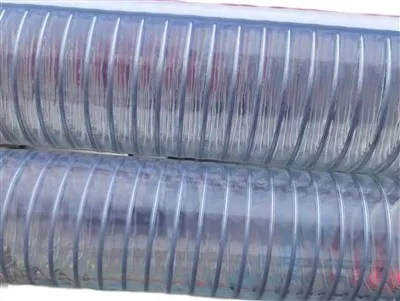
First, let’s talk about the most common pain points that lead people to ask if a hose reel is necessary—and how it solves them. I still remember a regular customer of mine, a landscaper named Mike, who would come into my shop every spring complaining about his 50-foot rubber hose. He’d tell me that every year, he’d dig it out of his garage, and it would be so knotted that it would take 15 minutes just to straighten it. Half the time, he’d end up with a kink that would burst a section of the hose mid-watering, wasting water and forcing him to carry a spare length around with him. For Mike, the math was simple: that 15 minutes of untangling every day added up to 75 hours a year, enough to take on three extra small lawn care jobs. When he finally bought a reel, he texted me a photo a week later showing his neat, coiled hose, and wrote, “I just saved 10 minutes on my first job.” That’s not a trivial win.
But it’s not just about untangling. Hoses left spread across lawns or driveways take a beating from the elements. UV rays from the sun break down rubber and vinyl over time, making hoses brittle and prone to cracking. I’ve seen hoses that were just two years old split down the middle because they were left out in the sun all summer. A hose reel keeps the hose off the ground, away from direct sunlight, and often has a UV-resistant coating of its own, extending the life of the hose by an average of 30%, according to a 2022 study by the Outdoor Power Equipment Institute (OPEI). That’s a huge saving—if your hose lasts three years instead of two, that’s $20-$50 back in your pocket every few years, not to mention the cost of replacing a hose mid-project.
Water waste is another big one. When a hose is twisted or kinked, water can’t flow freely, so people often turn up the water pressure to compensate. The U.S. Environmental Protection Agency (EPA) estimates that kinked hoses waste up to 10 gallons of water per hour from slow leaks or reduced flow, as homeowners crank up the pressure to get the job done. A properly coiled hose on a reel doesn’t kink, so water flows at the optimal pressure, cutting down on waste. That’s not just good for your water bill—it’s good for the planet, which matters to a lot of my customers who garden sustainably.
Now, before you decide that every single person needs a hose reel, let’s talk about the cases where it might not be necessary. Not everyone’s use case is the same, and I don’t want to push something that doesn’t make sense for someone. For example, if you only use a 25-foot hose once a month to water a small balcony herb garden, you might not need a reel. A quick coil and toss by the back door is easy enough, and the hassle of mounting a reel on your wall or storing a free-standing one probably isn’t worth it. Similarly, if you’re renting a home and don’t want to drill holes in the exterior for a wall-mounted reel, a lightweight reel that can be moved into a garage or shed when not in use might not be worth the extra step compared to just coiling the hose by hand, even if it’s a little more work.
Another scenario: if you’re using a hose for a temporary job, like washing your car once a month or power washing a patio a few times a year, a reel might feel like overkill. The time it takes to uncoil and recoil a hose on a reel isn’t that much faster for short, occasional use—you might just as easily coil it by hand and put it in a shed. But for people who use a hose daily or multiple times a week, like landscapers, parents who water the lawn every evening, or people with large yards or commercial properties, the reel starts to pay for itself quickly.
Let’s also clear up a common misconception: hose reels aren’t just for big, expensive jobs. There are options for every budget, from compact wall-mounted reels for small backyards to free-standing reels that hold up to 200 feet of hose, and even retractable models that pull the hose in automatically. I’ve sold small plastic reels for under $30 to apartment dwellers with patios, and heavy-duty metal reels for over $200 to commercial property managers who need something that can hold up to daily use. The key is to pick the right type for your needs, not just buy the most expensive one.
I’ve also noticed that many homeowners don’t realize how much a hose reel improves safety. If you’ve ever tripped over a loose hose in your driveway or yard, you know how easy that is—especially if you’re carrying a bucket of water or a gardening tool. A coiled hose on a reel is stored neatly, so there’s no risk of tripping hazards for kids, pets, or guests. That’s a big deal for families with young kids or dogs who run around the yard. I had a customer last year whose 3-year-old tripped over his loose hose and scraped his knee pretty badly; after that, he installed a wall-mounted reel and told me it was the best safety purchase he’d made all year.
Another point: many people use their hose for more than just watering. Hoses are used for washing cars, cleaning gutters, filling pools, and even pressure washing siding. Each time you move the hose around for these tasks, if it’s not on a reel, it’s dragging on the ground, getting dirty, and picking up mud, leaves, and grass clippings. That means you’re not just dealing with a kinked hose—you’re also tracking dirt into your garage or house when you carry the hose inside. A reel keeps the hose clean, so it’s ready to use next time without having to wipe it down first.
Now, let’s talk about the counterarguments I hear all the time. Some people say, “I can coil a hose perfectly well by hand, so a reel is just extra stuff to store.” That’s true—for someone with a small hose and simple needs, hand-coiling works. But over time, hand-coiling can cause stress on the hose, especially when you’re cramming it into a small space in a garage or shed. The constant bending can create weak spots that lead to leaks. A hose reel holds the hose in a consistent, gentle coil, so there’s less stress on the material, which adds to its lifespan. Other people say, “Hose reels are too expensive.” If you’re looking at a top-of-the-line commercial reel, that’s fair—they can cost several hundred dollars. But entry-level models are affordable, and as I mentioned earlier, the savings from not having to replace your hose as often, plus the time you save, make it a worthwhile investment for most people who use their hose regularly.
Let’s also consider the different types of hose reels, because that’s part of the decision. If you’re a homeowner with a medium-sized yard, a wall-mounted reel that holds 50 to 100 feet of hose is probably your best bet—it’s out of the way, durable, and easy to use. For someone with a larger yard or a property that’s not set up for a permanent mount, a free-standing reel that can be moved around the yard (or even stored in the garage) is a good choice. Retractable reels are great if you want the convenience of pulling the hose to exactly the length you need and having it automatically rewind when you’re done—though they tend to be a bit more expensive. I always ask customers at my shop what their main use is, how long their hose is, and where they plan to store it before I recommend a reel, because one size definitely doesn’t fit all.
As someone who’s been in the water hose business for more than a decade, I’ve seen how the right hose and the right reel make a huge difference in how people experience their yard. I’ve worked with customers who swore they’d never need a hose reel, then came back a year later saying they couldn’t live without it. I’ve also had customers with tiny balconies who told me a reel was overkill, and that’s fine—there’s no one-size-fits-all answer. The key is to be honest with yourself about how you use your hose: do you use it multiple times a week? Do you struggle with kinks or tangled hoses? Do you worry about your hose wearing out too fast? If you answered yes to any of those, a hose reel is probably necessary for your needs. If you only use your hose occasionally for short tasks, it might not be the right investment right now.
At the end of the day, a hose reel isn’t a luxury—it’s a tool that solves specific, real problems. For the people who use their hose regularly, the time saved, the water conserved, the money saved on replacing hoses, and the safety benefits add up to something that makes their outdoor life easier. If you’re someone who finds themselves frustrated with tangled hoses, worn-out rubber, or tripping hazards in your yard, a hose reel is worth considering.
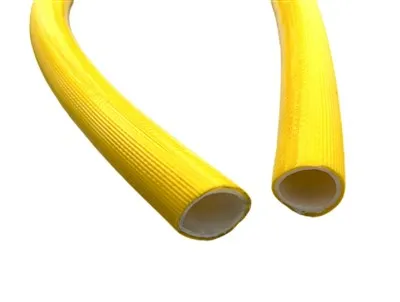
If you’re ready to talk about the right hose or reel for your needs, feel free to reach out to us to discuss your requirements and find the perfect solution for your space.
PVC Suction Pipe References:
Outdoor Power Equipment Institute. (2022). Residential Hose Maintenance and Lifespan Study.
U.S. Environmental Protection Agency. (2021). Water Efficiency in Residential Outdoor Use.
Weifang Xinzhiyuan Plastic Co., Ltd.
As one of the most experienced water hose manufacturers and suppliers in China, we offer a wide range of products with superior quality. Please feel free to wholesale premium water hose made in China here from our factory. We also accept customized orders.
Address: No. 700, Tongle Street, Economic Development Zone, Changle County, Weifang City, Shandong Province
E-mail: hua@xzypvchose.com
WebSite: https://www.pvchose-xzy.com/
