Hey there, Stake Semi-Trailer
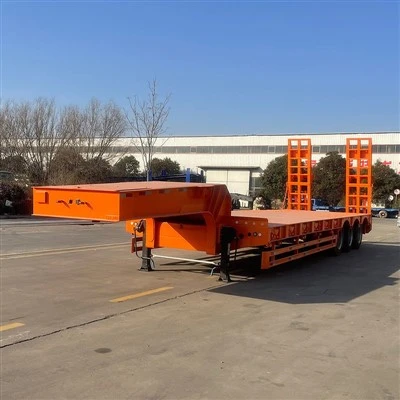
If you’ve ever hauled liquid goods, you know how tricky it can be to lock in the right setup, especially when you’re working with a stake semi-trailer. I’m not some random trucking bro spouting half-baked tips— I run a stake semi-trailer supply business, and I’ve spent years hearing from drivers and fleet managers who’ve dealt with leaky tanks, sliding loads, and cops pulling them over because their setup looked “sketchy.” Today, I’m breaking down exactly how we get liquid goods from point A to point B on a stake semi, no fancy (and overpriced) specialized trailers needed, and no headaches along the way.
First, let’s get one thing straight: stake semi-trailers aren’t just for lumber, steel pipes, or pallets of soda. I’ve been selling these things long enough to know that with the right add-ons, they work way better than people give ’em credit for when you’re moving non-hazardous liquids—think edible oils, water-based cleaners, bulk wine, even that non-corrosive stuff you use for agricultural fertilisers. The key isn’t modifying the trailer itself (though a few small tweaks help) but pairing it with the right liquid containment accessories. I’ve seen guys try to throw a random tank on a bare stake and end up with 50 gallons of cooking oil all over the highway at 60 mph—don’t be that person.
Let’s start with the number one non-negotiable: your tank. You can’t just grab any old plastic or metal tank and strap it to the stakes. For non-hazardous liquids, I always recommend food-grade HDPE tanks (for things like juice or oils) or mild steel tanks with a powder-coat finish (for agricultural liquids) because they’re lightweight, don’t rust, and don’t leach weird stuff into your load. The size matters too—we usually suggest tanks between 500 and 3,000 gallons for stake semis. Anything bigger and you’re shifting too much weight, which makes handling a nightmare, not to mention you’ll be over the trailer’s weight limit in no time. For smaller loads (like a winemaker moving 1,200 gallons of new grape juice to a distillery), we’ve even worked with customers to cut tanks down to size so they fit perfectly without wasting space.
Next up is how you secure that tank to the stakes. This is where most people mess up. Stake semi-trailers have those vertical stake pockets along the sides and sometimes the front, right? Don’t try to use generic ratchet straps—they’ll stretch, especially when the liquid sloshes around. Sloshing is the biggest enemy here, by the way. That 1,000 gallons of liquid weighs 8,300 pounds, and if it’s sloshing back and forth every time you hit the brakes or turn, that’s like adding an extra 2,000 pounds of force on your straps each time. Bad news. So first, get custom tank brackets that bolt directly to the stake pockets. These aren’t your flimsy Walmart ones—they’re heavy-duty steel brackets that fit snugly into the pockets, so they don’t wiggle. We sell these brackets as part of our add-on packages, and every time I hear back from a customer who used generic stuff vs. our brackets, they say the brackets are night and day.
Then, to stop sloshing entirely, we always tell customers to add internal baffles to the tank. Baffles are just plastic or metal walls with holes drilled in them that break up the liquid’s movement. No baffles, and even the most secure tank will shift. I remember a guy named Joe who runs a small fleet in Iowa a few years back—he tried moving 2,500 gallons of soybean oil without baffles, and by the time he got to his customer 300 miles away, one of his straps had snapped, the tank was sideways, and he’d spilled 400 gallons. He called me screaming, and that was the last time he skipped on baffles. For under $100, baffles are a no-brainer, and we include them with most of our liquid-focused stake semi bundles now.
Wait, but what if you’re moving multiple smaller liquid containers instead of a single big tank? Like 55-gallon plastic drums of citrus cleaner for a cleaning supply company. A lot of drivers try to line ’em up and strap ’em down, but drums roll. So here’s our trick: use heavy-duty, non-slip rubber mats on the trailer floor first—they grip the drums so they don’t slide. Then, use drum chocks that lock into the stake pockets on each side of the row of drums. These chocks are like little plastic walls that stop drums from rolling forward or back. And instead of ratchet straps around each drum, run two heavy-duty straps horizontally along the top and bottom of the whole row, tightened with a beam tensioner—way faster and way more secure. I’ve had a customer in Florida use this exact setup to move 100 drums of non-hazardous liquid cleaner every week for two years, and he’s never had a leak.
Now, let’s talk about the stuff that keeps leaks from happening—because even the best setup can fail if you skip these steps. First, seal all the connections on your tank or drums. For plastic tanks, use food-grade silicone sealant around any fittings (like the drain valve) to make sure there’s no gap. For drums, make sure the bungs are tight—use a bung wrench, not just your hand, because vibrations on the road can loosen ’em up. And here’s a pro tip: add a secondary containment layer. That could be a heavy-duty poly liner that lines the floor of your trailer and catches any spills, or a drip pan under the tank. We sell these liners too—they’re cheap (like $150 for a 48-foot trailer) and they’ve saved so many customers from hundreds of dollars in cleanup fees when a drip happens.
Also, don’t forget weight distribution. Stake semi-trailers have a maximum payload, and you can’t just stack all the liquid at the back or front. Keep about 25% of the load in the front half of the trailer, 25% in the middle, and 50% in the back—this keeps the trailer balanced, makes turning easier, and prevents suspension damage. I always tell customers to weigh the trailer before they hit the road (most truck stops have scales) because even if you think you’re under the limit, that extra sloshing weight can push you over.
Wait, what about hazardous liquids? I know some guys ask about moving diesel or other flammable stuff on stake semis. Just so we’re clear—we don’t recommend it for most drivers, because specialized tanker trailers are designed for that. But if it’s a non-hazardous fuel additive that meets certain specs, the same setup works, just make sure you use grounded straps to prevent static electricity. That’s a safety thing, not a trailer thing, but it’s worth mentioning.
Now, let’s get real about why stake semis are a way better option than specialized tankers for a lot of smaller operators. First, the cost. A new stake semi from us is way cheaper than a dedicated liquid tanker, and you can use it for other things when you’re not hauling liquid—like lumber, pallets, whatever. No more leaving a $100k trailer sitting in the yard for half the month because you only move liquid occasionally. Second, flexibility. If a customer calls and needs you to swap from liquid to steel pipes the next day, you don’t have to rent a different trailer—just remove the tank brackets, swap out the chocks, and you’re good to go. I had a guy in Texas who runs a small hauling business—he uses his stake semi for liquid on Tuesdays and Thursdays, and for construction materials the rest of the week. He told me last month that the extra revenue from not having to buy a second trailer paid for his semi’s maintenance last year.
But here’s the thing: you can’t just take any old stake semi and throw a tank on it. You need one that’s built to handle the extra weight. That’s why we at our stake semi-trailer supply make specific trailers with reinforced floors—standard stake semis have aluminum floors that are fine for light loads, but for liquid, you need a steel-reinforced floor that can handle the 8,000+ pound tank and all the vibrations. We also add extra stake pockets along the sides and front specifically for liquid setup brackets, so you don’t have to drill extra holes (drilling weakens the trailer’s frame, and we never recommend that).
I’ve seen so many new truckers get suckered into buying specialized tankers because they think that’s the only way to move liquid. But from where I sit, after thousands of trailer sales, a good stake semi with the right add-ons is a more practical, cheaper option for most small to medium haulers. You don’t have to be a huge fleet to make it work—even a one-truck operation can get set up for under $5k for all the brackets, baffles, liners, and chocks, which is way less than renting a tanker every time you have a liquid load.
Now, if you’re reading this and thinking, “Okay, this sounds doable, but I need to make sure my setup is right,” that’s why we’re here. We don’t just sell trailers—we help you figure out exactly what you need for your specific loads. Whether you’re moving 500 gallons of honey for a local beekeeper or 2,000 gallons of fertiliser for a farm, we can build a setup that fits your stake semi, no cutting corners, no overcharging. We’ve tested every part of this setup ourselves, so we know it works.
If you’re in the market for a stake semi-trailer and want to chat about liquid hauling, or even if you just have questions about brackets or baffles, hit us up. No sales pitch, no pressure—just honest advice from someone who’s been in the game for years.

At the end of the day, hauling liquid on a stake semi isn’t rocket science. It’s about picking the right tank, securing it properly, stopping sloshing, and using the right accessories. Skip the generic ratchet straps, don’t skimp on baffles, and invest in a trailer that can handle the weight, and you’ll avoid the headaches that so many new haulers deal with.
Crane References:
- American Trucking Associations. (2022). Best Practices for Non-Hazardous Liquid Hauling.
- National Association of Trailer Manufacturers. (2021). Stake Semi-Trailer Load Securing Guidelines.
- Food and Agriculture Organization. (2020). Agricultural Liquid Transport: Load Stability and Safety.
- Federal Motor Carrier Safety Administration. (2023). Weight Distribution Recommendations for Commercial Trailers.
Jining Dafu Machinery Sales Co., Ltd.
As one of the most professional stake semi-trailer suppliers in China, we’re featured by quality products and low price. Please rest assured to wholesale bulk cheap stake semi-trailer from our factory. We also accept customized orders.
Address: Room 1-115, Building 7, Luxinan Auto Parts City, Qiantongdian Village, Quanpu Town, Liangshan County, Jining City, Shandong Province
E-mail: jiningdafu@163.com
WebSite: https://www.dafumachinery.com/
